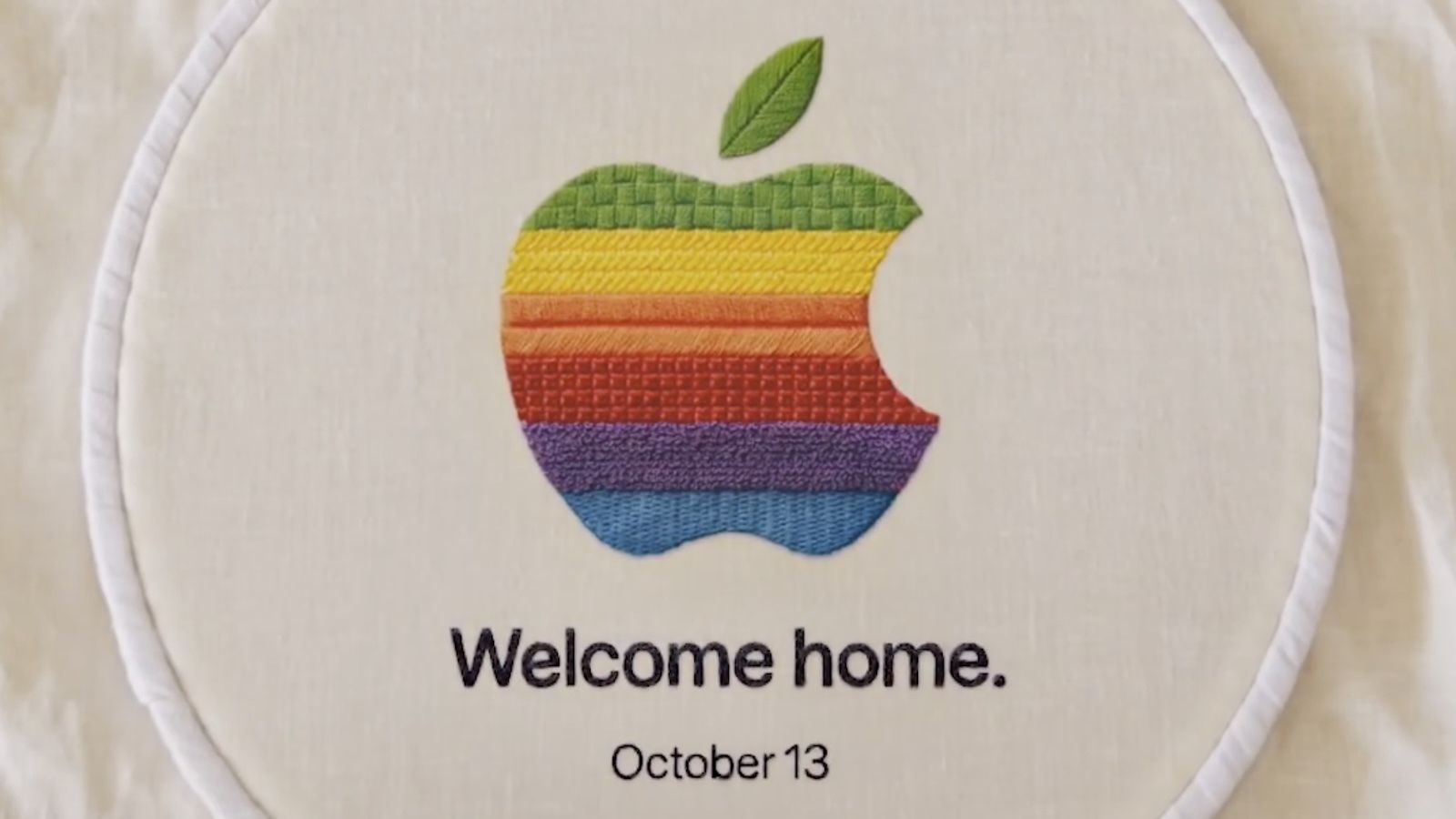
Apple has officially announced a new product launch experience scheduled for October 13, 2026, with the intriguing tagline “Welcome home.” The announcement has generated excitement among Apple fans, technology enthusiasts, and smart home users who are eager to discover what the company has planned for its next generation of connected devices.
Unlike a traditional iPhone launch, this announcement appears to focus on Apple’s smart home ecosystem. Reports suggest that the company could introduce a new smart home hub, an updated HomePod mini, and a refreshed Apple TV 4K. These products could play an important role in Apple’s broader strategy to make connected homes more intelligent, convenient, and closely integrated with its software and services.
Apple’s marketing chief, Greg Joswiak, shared the “Welcome home” message alongside the October 13 date on October 8. Media invitations also described an Apple Experience scheduled to take place in New York City at 9:00 a.m. Eastern Time.
Although Apple has not publicly confirmed the complete product lineup, the event’s theme has strengthened expectations that the company is preparing to expand its presence in the smart home market.
Apple Confirms October 13 Product Launch
Apple’s October 13 announcement is the latest development in the company’s 2026 product schedule. The phrase “Welcome home” suggests a focus on products designed to improve everyday life at home rather than devices primarily intended for mobile productivity.
According to reports from MacRumors and 9to5Mac, the company is expected to concentrate on smart home hardware.
The announcement has attracted attention because Apple has been working toward a more comprehensive home technology experience. While the company already offers HomePod speakers, Apple TV devices, HomeKit-compatible accessories, and Siri voice controls, a dedicated smart display could provide a central place to manage these products.
The October 13 date is confirmed, but the precise announcements remain unconfirmed until Apple reveals the products officially.
Apple has invited selected members of the media to an Apple Experience in New York’s Tribeca neighborhood. This format may emphasize hands-on demonstrations rather than a lengthy traditional keynote presentation.
Technology enthusiasts should therefore distinguish between the confirmed date and the rumored hardware expected to appear at the event.
What Does “Welcome Home” Mean?
The tagline “Welcome home” is widely interpreted as a reference to Apple’s smart home ambitions. It suggests that the company wants its devices to work together more naturally, allowing users to control entertainment, lighting, communication, and other connected functions from a convenient location.
A modern smart home can include wireless speakers, televisions, cameras, thermostats, smart locks, lighting systems, and voice assistants. However, managing different devices can become complicated when each product requires a separate application or control interface.
Apple could address this problem by bringing more of these functions together through its existing Home app, Siri, Apple TV, HomePod, and compatible accessories.
A central smart home display would make this approach particularly useful. Family members could potentially see important information, control accessories, check calendars, and interact with Siri without needing to pick up an iPhone.
The event’s name does not confirm any particular product, but it provides a strong clue about the overall direction of the announcement.
1. Apple’s Rumored Smart Home Hub
One of the most anticipated products is a smart home hub that has frequently been referred to in media reports as the “HomePad.” This name should be treated as an unofficial label rather than a confirmed commercial product name.
According to MacRumors, the rumored device could combine elements of an iPad and a HomePod, creating a dedicated control center for the home.
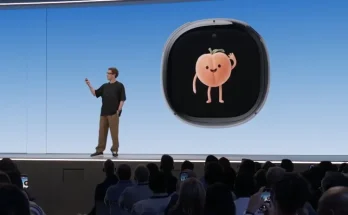
Reports have described a display measuring approximately six inches square. Possible designs include a version mounted on a wall and another positioned on a stand with a speaker base.
If introduced, the device could offer several functions:
Control compatible smart home accessories.
Display calendars, reminders, and other useful information.
Support FaceTime calls and household communication.
Provide access to selected video and entertainment features.
Display personalized information for different family members.
Offer hands-free interaction through Siri.
These features would make a dedicated hub different from a conventional tablet. Rather than requiring users to open an application and navigate menus, the device could remain available in a common area such as a kitchen, living room, or hallway.
A wall-mounted version could provide a permanent control panel for lights, thermostats, and other connected devices. A tabletop version could be more suitable for families who want a combination of a speaker, display, and voice assistant.
Pricing has been speculated to be around $350, but Apple has not confirmed a price or even the final product name.
The product’s actual usefulness will depend on its display quality, software capabilities, supported accessories, privacy protections, and compatibility with the broader Apple ecosystem.
2. A New HomePod mini Could Be Coming
Another product expected to appear is an updated HomePod mini. Apple’s compact smart speaker has become an important part of its home audio and voice-assistant ecosystem.
The current concept behind the HomePod mini is straightforward: provide music playback, Siri access, smart home control, and integration with other Apple devices in a small speaker.
A refreshed model could preserve the familiar design while introducing internal improvements.
Reports summarized by MacRumors suggest that a future HomePod mini could include an updated processor and Apple’s N1 networking chip. The rumored improvements could support better connectivity and additional software capabilities.
New color options are also possible, potentially giving customers more choices for matching a speaker to their home decor.
A faster processor could become particularly important if Apple expands the capabilities of Siri across its smart home products. However, the presence of a new chip would not automatically guarantee that every advanced AI feature will be supported.
Software compatibility, processing requirements, and Apple’s final implementation will determine which functions become available.
For existing HomePod mini owners, the most important questions will be whether the new model offers noticeably better sound, improved connectivity, more responsive voice controls, and useful new smart home features.
Apple has not yet confirmed the rumored specifications, colors, availability, or pricing.
3. Apple TV 4K May Receive an Upgrade
The Apple TV 4K is another device that could feature in the October 13 product announcements.
Apple TV serves as a streaming platform for compatible televisions, providing access to Apple TV services and supported third-party entertainment applications. It can also function as part of Apple’s smart home ecosystem.
A refreshed Apple TV 4K could focus on faster performance, improved connectivity, and deeper integration with Siri.
Rumors cited by MacRumors suggest that a future model could use an A19-series processor and Apple’s N1 networking chip. These specifications have not been officially confirmed by Apple.
A faster processor could improve application responsiveness, support demanding software features, and provide additional headroom for future updates.
Improved wireless connectivity could also benefit users who stream high-resolution video, play games, or connect several smart home devices.
An updated Siri Remote is another possibility mentioned in reports. A better remote could make navigation and voice interactions more convenient, although the final design and feature set remain unknown.
For customers considering an Apple TV purchase, the October 13 announcement could be worth watching before making a decision. However, buyers should not assume that a new model will arrive at a particular price or that all rumored improvements will be included.
4. Siri AI Could Be Central to Apple’s Smart Home Strategy
Artificial intelligence is likely to be an important part of Apple’s future smart home plans.
Voice assistants are most useful when they can understand requests, respond accurately, and coordinate tasks across several devices. A more capable Siri experience could make it easier for users to manage their homes without repeatedly opening different applications.
For example, a user might want to adjust the lighting, check the day’s schedule, play music, or ask for information while preparing dinner. A well-integrated assistant could handle these requests through a combination of voice commands and visual controls.
A dedicated home display could give Siri a more visible presence than a speaker alone. Instead of relying exclusively on spoken responses, the system could show relevant information on a screen.
Personalization may also be important. A family-oriented device could potentially present different calendars, reminders, or other information depending on who is using it.
Reports have suggested that the rumored hub could use a camera or presence sensor to help recognize household members. If Apple introduces these capabilities, privacy safeguards and clear user controls will be essential.
It is important to remember that rumored hardware capabilities do not establish which AI features Apple will actually deliver. The company’s official software demonstrations and technical documentation will provide the clearest information after the launch.
5. Apple’s Smart Home Ecosystem Could Become More Competitive
The smart home market already includes products from several major technology companies. Amazon, Google, and numerous specialist manufacturers offer speakers, displays, cameras, security accessories, and home automation platforms.
Apple’s opportunity is to provide a connected experience that works naturally with its existing products and services.
For customers who already use an iPhone, Apple Watch, Mac, or Apple TV, a more comprehensive home platform could offer several advantages.
First, familiar software and account integration could reduce the effort required to configure compatible devices. Second, Siri could provide a consistent way to interact with supported accessories. Third, Apple’s approach to privacy and device permissions could be an important consideration for households that want greater control over their information.
However, Apple will also face challenges.
The company needs to ensure that its products work reliably, support a useful selection of accessories, and offer competitive value. Smart home customers may also use devices from multiple manufacturers, making interoperability essential.
The October 13 announcement could provide a clearer indication of how Apple plans to address these challenges.
A successful smart home strategy will require more than attractive hardware. It will depend on dependable software, broad compatibility, useful automation features, and long-term support.
6. Could Apple Announce New LG Smart Home Accessories?
Some reports have also discussed smart home accessories reportedly developed in partnership with LG. These products could potentially include devices such as a video doorbell, thermostat, smart lock, or indoor camera.
Such accessories would expand the range of equipment available to customers who want to build a connected home.
A smart thermostat could help users monitor and manage indoor temperatures. A video doorbell could provide information about visitors, while a smart lock could offer convenient access controls. Indoor cameras could support home monitoring when used with suitable privacy and security settings.
Nevertheless, these accessories remain a separate area of speculation. Reports about development or leaks do not guarantee that every product will be announced on October 13.
Apple has not officially confirmed a complete lineup of LG-branded home accessories for this event.
If the companies introduce compatible products, customers will want to know how they integrate with Apple Home, whether they require additional hubs or subscriptions, and which security features are available.
Pricing, regional availability, release dates, and compatibility details will also matter.
For now, these accessories should be considered possible additions rather than confirmed launch products.
7. Will Apple Announce a New iPad mini or Mac?
Although the “Welcome home” theme points toward smart home technology, Apple has other products reportedly in development.
The iPad mini has been discussed in connection with a possible future OLED display and other hardware improvements. Rumors about future Mac models have also continued to circulate.
However, the existence of separate product rumors does not establish that these devices will be included in the October 13 announcement.
Apple frequently introduces products at different times, depending on their readiness, target audience, and marketing plans.
A dedicated smart home experience would give the company an opportunity to explain its connected-home strategy without dividing attention among unrelated product categories.
For that reason, the smart home hub, HomePod mini, and Apple TV remain the most relevant rumored products to watch.
Customers interested in an iPad or Mac upgrade should wait for official announcements before assuming that October 13 will include those products.
8. When and Where Will the Apple Experience Take Place?
Apple’s October 13 experience is scheduled for Tuesday, October 13, 2026, at 9:00 a.m. Eastern Time in New York City.
For people following from other countries, the local time will differ. In Bangladesh, 9:00 a.m. Eastern Daylight Time corresponds to 7:00 p.m. Bangladesh Standard Time on October 13.
The gathering is expected to give invited journalists an opportunity to learn about and experience Apple’s new products.
It is not yet clear whether Apple will also provide a traditional livestream or a full online keynote for this particular announcement. Interested viewers should check Apple’s official website and its Apple Events page for confirmed viewing information.
Apple may provide product details through its website, newsroom, media demonstrations, or other official channels.
Customers should rely on those sources for final specifications, release dates, prices, and purchasing information.
9. What Customers Should Expect From the Launch
The October 13 experience could be important for several groups of customers.
Existing Apple users: People who already own Apple devices may be interested in a more integrated home experience, particularly if new hardware improves Siri and smart home controls.
Smart home beginners: A dedicated hub could make it easier to understand and control connected accessories from one location.
HomePod owners: An updated HomePod mini could offer reasons to consider upgrading if it delivers meaningful improvements in performance, connectivity, or sound.
Streaming enthusiasts: An updated Apple TV 4K could appeal to people who want a responsive streaming device with strong integration across Apple’s services.
Developers and accessory manufacturers: A broader smart home platform could create opportunities for new applications, compatible accessories, and automation features.
Nevertheless, customers should evaluate actual specifications and prices before deciding whether an upgrade is worthwhile. A newer product is not necessarily the best purchase for every household.
Existing devices may continue to meet users’ needs, and compatibility with current accessories should be considered before making a change.
10. Why the October 13 Announcement Matters
Apple’s “Welcome home” announcement could signal a more ambitious approach to connected-home technology.
Smart home products are increasingly expected to do more than perform individual tasks. Customers want their devices to communicate with one another, respond quickly, protect personal information, and simplify everyday routines.
A dedicated home hub, updated smart speaker, and refreshed streaming device could help Apple create a more unified experience across different rooms.
The company’s challenge will be to combine hardware, software, services, and accessory compatibility into a system that feels useful rather than complicated.
The smart home hub could become particularly significant if it provides a convenient interface for household information and automation. An improved HomePod mini could strengthen voice access throughout the home, while a refreshed Apple TV could connect entertainment with other Apple services.
Together, these products could provide a clearer picture of Apple’s long-term ambitions for the home.
However, the launch’s real significance will depend on the features Apple actually announces, the prices it chooses, and the availability of its products in different markets.
Frequently Asked Questions
When is Apple’s “Welcome home” product launch?
Apple has announced its product experience for Tuesday, October 13, 2026, at 9:00 a.m. Eastern Time in New York.
What products are expected at the October 13 launch?
Rumors point to a new smart home hub, a refreshed HomePod mini, and an updated Apple TV 4K. Apple has not officially confirmed the complete lineup.
What is Apple’s rumored HomePad?
“HomePad” is an unofficial name used in reports for a possible Apple smart home display. The device is rumored to combine a screen, speaker, Siri controls, and smart home management features.
Will Apple launch a new HomePod mini?
An updated HomePod mini is among the expected products, with rumors suggesting possible processor, connectivity, and color improvements. Final specifications remain unconfirmed.
Will a new Apple TV 4K be announced?
A refreshed Apple TV 4K is also rumored for the event. Its processor, networking features, remote design, price, and release date have not been officially confirmed.
Can viewers watch the launch online?
Apple’s online viewing arrangements for this particular experience have not been fully confirmed. Viewers should check the official Apple Events website for updates.
Should customers wait before buying an Apple device?
Customers specifically interested in a HomePod mini or Apple TV may prefer to wait until October 13 to compare any newly announced models with existing products. Those considering other devices should base their decisions on their individual needs and Apple’s confirmed product announcements.
Final Thoughts
Apple’s October 13, 2026, “Welcome home” announcement has created strong expectations for a renewed focus on smart home technology. The rumored smart home hub, updated HomePod mini, and refreshed Apple TV 4K could help the company bring home automation, entertainment, and voice assistance closer together.
The biggest potential development is a dedicated smart display that gives families a central place to interact with Siri, check information, and control compatible accessories. Improvements to existing devices could further strengthen Apple’s connected-home ecosystem.
Still, the distinction between confirmed information and speculation remains important. Apple has confirmed the date and tagline, but the final product names, specifications, prices, and availability must await official announcements.
Technology enthusiasts and Apple customers will have their answers soon. On October 13, the company is expected to offer a clearer look at what “Welcome home” means for the future of Apple’s smart home experience.