The Theranos scandal remains one of the most widely discussed corporate controversies in modern American history. Years after the collapse of the blood-testing company, former employees, investors, and whistleblowers continue to reflect on the events that brought its founder, Elizabeth Holmes, into the international spotlight.
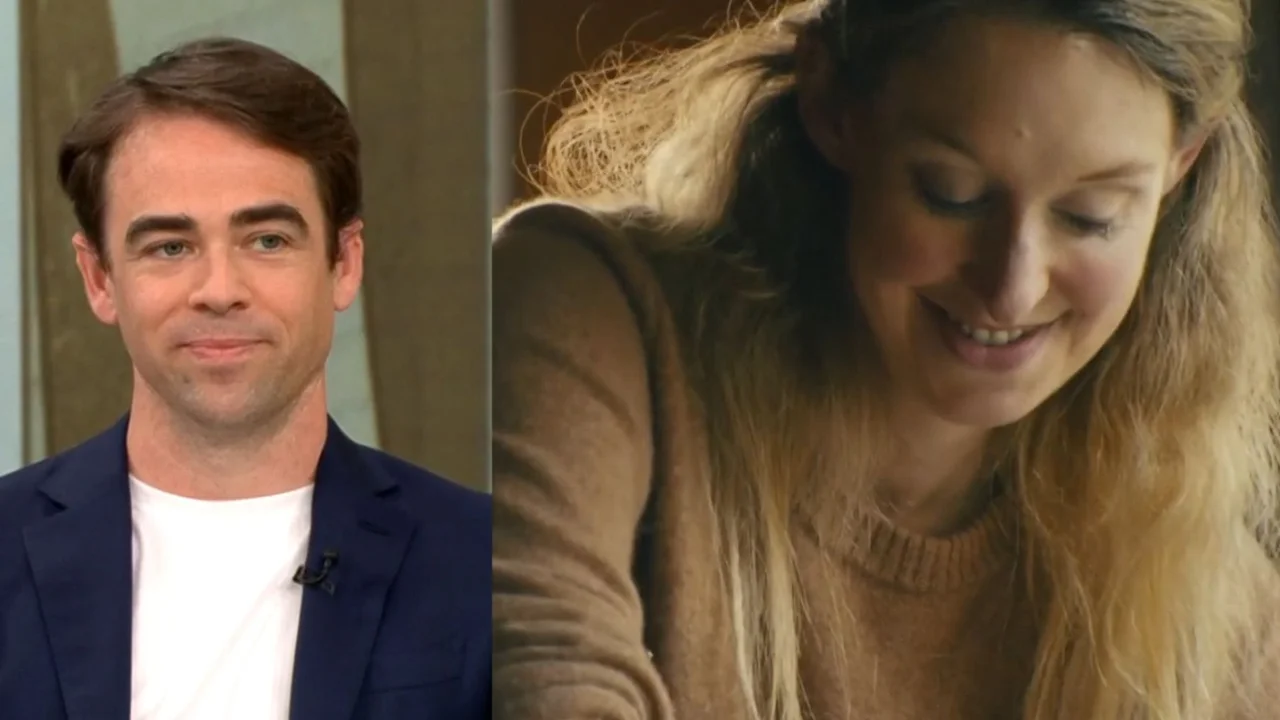
Tyler Shultz, a former Theranos employee who helped expose concerns about the company’s technology, is once again drawing attention to the story. In a documentary, Shultz reportedly describes Holmes as looking like “a broken woman,” offering a personal perspective on the former technology executive’s life following the company’s dramatic downfall.
Tyler Shultz and the Theranos Whistleblower Story
Tyler Shultz became an important figure in the Theranos controversy after raising concerns about the accuracy and reliability of the company’s blood-testing technology. Theranos had promoted its technology as a revolutionary development that could perform numerous medical tests using only a small amount of blood.
The company’s ambitious claims attracted significant investment and public attention. However, questions about its testing methods and the reliability of its technology eventually led to investigations and widespread scrutiny.
Shultz’s decision to speak out placed him in a difficult position. Whistleblowers who challenge powerful organizations can face considerable professional and personal pressure, particularly when their concerns involve influential executives and major financial interests.
His experience became an important part of the broader Theranos narrative, highlighting the challenges employees may encounter when they believe a company’s public claims do not match its actual capabilities.
Elizabeth Holmes After the Theranos Collapse
Elizabeth Holmes once presented herself as a leading figure in medical technology. Theranos promised to transform healthcare by making blood testing faster, simpler, and more accessible.
The company attracted prominent investors and influential supporters before its claims came under increasing scrutiny. Investigations ultimately exposed serious problems with its technology and business practices, contributing to the company’s collapse.
Holmes later faced criminal charges related to misleading investors. In 2022, she was convicted of defrauding investors, and she was subsequently sentenced to prison.
The case became a major example of the consequences that can follow when business promises are not supported by reliable evidence. It also raised questions about corporate governance, investor responsibility, and the role of independent oversight in emerging technology companies.
What Tyler Shultz’s Comment Reveals
The description of Holmes as “a broken woman” reflects a personal observation attributed to Shultz in the documentary. It should not automatically be interpreted as a complete explanation of Holmes’ emotional state or personal circumstances.
Nevertheless, the remark highlights the dramatic contrast between Holmes’ former public image and the consequences she experienced after Theranos collapsed.
At the height of the company’s popularity, Holmes was frequently portrayed as an ambitious entrepreneur pursuing a major breakthrough in healthcare. The subsequent revelations changed public perceptions of both the company and its founder.
For people who followed the scandal, the documentary offers an opportunity to revisit the story through the perspective of someone who challenged the company’s claims from within.
Why the Theranos Scandal Still Matters
The Theranos case continues to attract interest because its central issues extend beyond one company or executive. The controversy illustrates how persuasive marketing, influential connections, and ambitious promises can sometimes overshadow the need for scientific validation.
In healthcare, unreliable testing can have serious consequences because medical decisions depend on accurate results. This makes transparency, independent verification, and responsible leadership especially important.
The case also demonstrates the significance of whistleblowers. Employees who identify potential wrongdoing may provide information that helps regulators, journalists, and the public understand what is happening inside an organization.
Shultz’s role in the Theranos story remains a reminder that questioning questionable claims can require considerable courage, especially when an organization has substantial financial resources and a powerful public image.
A Continuing Story of Accountability
The story of Elizabeth Holmes and Theranos continues to generate documentaries, interviews, and public discussion. Each new examination provides another opportunity to consider the company’s rise, the concerns raised by employees, and the events that led to its downfall.
Tyler Shultz’s reported description of Holmes adds a personal dimension to that continuing discussion. While public reactions to Holmes remain varied, the broader lessons of the scandal concern accountability, evidence, and the responsibilities of people developing technologies that affect human health.
Ultimately, the Theranos controversy serves as a reminder that innovation must be supported by reliable science and honest communication. A compelling vision can attract attention and investment, but lasting credibility depends on whether the technology works as promised.
As audiences revisit the scandal through documentaries and firsthand accounts, the experiences of whistleblowers such as Tyler Shultz remain central to understanding how the controversy unfolded and why its lessons continue to resonate.